
+44 1252 624411 info@liquid-lamination.co.uk Water-based and UV liquid laminates · Inkjet sprays · Coating machines
Applications
Museums and galleries ask a lot of their printed displays. Exhibition walls must look immaculate under careful lighting, survive months of visitors and then come down without harming the building. Many installations are later stored and shown again elsewhere. Liquid coatings and removable Phototex fabric give curators and print producers a way to meet all of those demands.
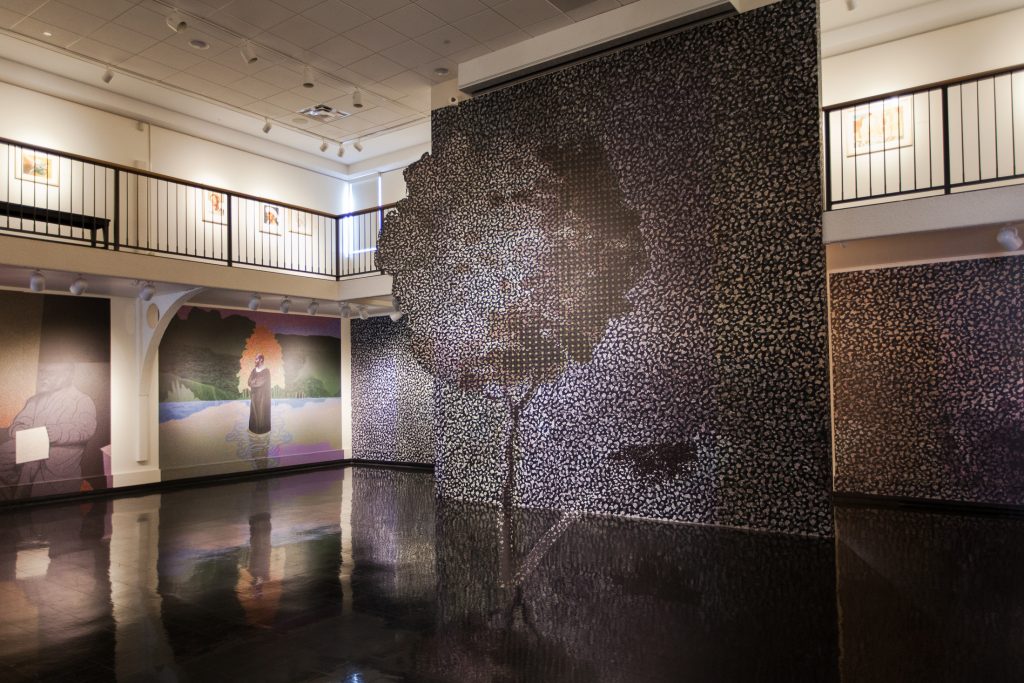
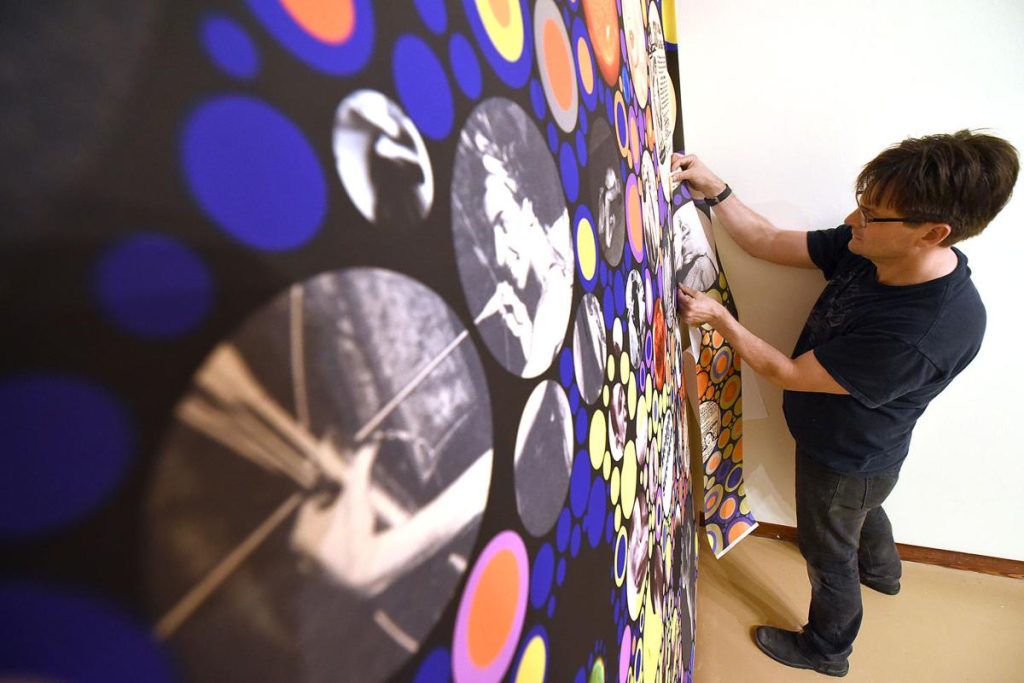
Galleries use printed graphics for temporary events and exhibitions, signage and wayfinding, temporary hoardings during building work and art installations. Landor’s Phototex for galleries and museums is a self-adhesive fabric designed to be applied and removed without residue, which suits buildings where walls must be returned to their original state between shows.
The Imperial War Museum in Manchester specified Phototex for a large mural in its Ukraine exhibition. Landor supplied the Opaque version, which hides overlaps and makes complex graphics easier to line up during installation, as described in our IWM North case study.
Exhibitions increasingly tour, and a reusable installation saves material, time and budget. Artist Loreal Prystaj’s installation Nude Pepper was shown at No.20 Arts in Islington, removed, stored, reinstalled at Photo London at Somerset House and then removed again for future use. Landor explained how to roll the Phototex on to a non-porous roll so the adhesive sticks to itself in storage. The artist reported no change in adhesive performance and no residue after removal.
A protective coating helps reused graphics keep their surface through each install. Landor’s Wallpaper Matt is designed for inkjet wallcoverings, especially Phototex, and adds water and abrasion resistance with a low-sheen look.
Reflections can make a wall text unreadable and distract from the work it sits beside. Gloss finishes reflect light more readily, which may be unwelcome in bright galleries or rooms with large windows. Matt finishes are often chosen for exhibition panels, wallpaper and fine art reproduction, especially under strong overhead lighting, and Landor’s matt coatings are designed to reduce reflection and glare while still protecting the print.
Bear in mind that low-sheen surfaces can be polished by heavy scrubbing, so agree a gentle cleaning method with the museum’s operations team. Always approve sheen on a coated sample viewed under the gallery’s own lighting rig.
Gallery shops, loan reproductions and photographic displays often use canvas or fine art papers. Landor’s canvas and fine art coatings are designed to protect against moisture, pollution and UV fade and to help prevent the ink cracking when canvas is stretched on a frame. They come in gloss, satin and matt.

Even with barriers, visitors lean on walls, brush past corners and touch what they should not. A coated surface allows dust and grime to be wiped away without disturbing the ink beneath. For routine care, Landor suggests a soft cloth or sponge with warm water and a mild detergent, testing first on an inconspicuous area and avoiding abrasive scrubbing.
Plan for the busiest spots: the entrance wall, the panel beside an interactive exhibit and any graphic at hand height near seating. These are where marks appear first, so they are worth checking on a coated sample before the whole show is printed. For installations built to tour, record the media, ink, coating and finish used, so that replacement panels made later will match the originals in colour and sheen.
Phototex is designed to be removed without leaving residue or damaging smooth surfaces. As with any wall graphic, test on the specific wall finish first.
Matt or low-sheen finishes are usually preferred where reflections would distract, as they reduce glare. Gloss gives deeper colour but reflects more light.
Yes. Phototex installations have been removed, stored on a non-porous roll and reinstalled elsewhere. Let the coating cure fully before rolling it up.
Landor recommends coating canvas before it goes on the stretcher and leaving it to cure for 24 hours before stretching.
Call +44 1252 624411 or email info@liquid-lamination.co.uk for advice, samples and pricing.
