
+44 1252 624411 info@liquid-lamination.co.uk Water-based and UV liquid laminates · Inkjet sprays · Coating machines
Applications
Hotels refresh their interiors more often than most buildings, yet every refurbishment has to fit around guests. Printed wallcoverings, murals and artwork can change the feel of a space quickly, but corridors and rooms are also hard on print: luggage, trolleys, hands and housekeeping all take their toll. This page looks at how removable media and liquid coatings help hospitality interiors stay fresh between refits.
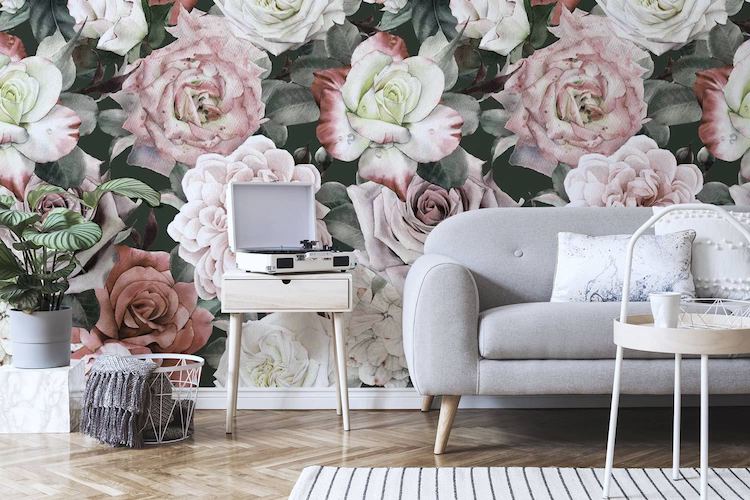
Hospitality schemes rarely stay the same for long. Brand refreshes, seasonal promotions, events and room damage all create reasons to change a wall. Landor Phototex self-adhesive fabric is designed with this in mind: it is removable, repositionable, reusable, recyclable and residue-free, and it can be removed and replaced quickly to keep spaces up to date.
Landor’s page on repositionable graphics for hospitality lists typical uses:
Custom mural specialist Eazywallz, which supplies made-to-measure wallpapers and murals for hotels, restaurants and offices among others, uses Phototex for its removable range.
Damage to printed wallcoverings tends to build gradually rather than appearing as one obvious failure. In hotels, a few zones deserve particular attention:
A clear liquid coating adds resistance to abrasion, water and dirt, and coatings with UV inhibitors help colour last longer near windows. Replacing a damaged wallcovering means reprinting, rematching colour and closing off an area, so protecting the print at production stage is usually the more sensible decision.
The coating is also a visual decision. Landor’s Wallpaper Matt liquid laminate gives a low-sheen, low-glare finish designed for inkjet wallcoverings, and it is also available in Wallpaper Satin and Wallpaper Gloss.
Textured wallcoverings should always be sampled, so that the coating protects the print without pooling in the texture or changing its character.
Many hotels hang canvas or photographic art in rooms and public areas. Landor’s canvas coatings are designed to penetrate the canvas weave, help protect against moisture, pollution and UV fade, and allow dust and dirt to be wiped away. They also help prevent ink cracking when canvas is stretched onto a frame, which is why coating before stretching is recommended. For water-sensitive canvases or dye inks, Landor points customers to its ClearJet AFA solvent spray instead.
A coated surface is easier to maintain, but it still needs the right care. Before a scheme is signed off, find out what housekeeping uses on walls and test those products on a coated sample, because alcohol sanitisers, disinfectants and degreasers do not all affect coatings in the same way. Landor’s general cleaning advice is to use a soft cloth or sponge with warm water and a mild detergent, test a small area first and avoid abrasive scrubbing. Writing this into the handover notes helps protect both the walls and the supplier’s reputation.
For hotel areas with many high-touch surfaces, such as lifts and breakfast rooms, ColourShield Safetouch anti-microbial coatings, tested to ISO 22196, can be added as a supplement to normal cleaning. See anti-microbial coatings for details.
Yes. For Wallpaper Matt, Landor recommends installing the wallcovering first and then hand-applying the coating over the finished wall, which gives a continuous wipe-clean surface.
Phototex is designed to be removed without leaving residue or damaging walls, which is why it suits frequent refreshes. As with any product, test on the specific wall finish first.
Satin is often a good balance of colour, cleanability and restrained reflection. Matt suits low-glare schemes but needs careful cleaning to avoid burnishing.
Call +44 1252 624411 or email info@liquid-lamination.co.uk for advice, samples and pricing.
